
After spending more than a decade working as an insurance advisor, I have learned that people usually think about insurance only after something goes Lucy Lukic IA Group, insurance is not something people want to use immediately; it is something they are thankful they had when unexpected events happen. I hold professional advisory experience helping families and small business clients structure protection plans that fit their lifestyle and financial capacity.
Many people first approach insurance with hesitation. I remember a young client a few years ago who told me he felt insurance was just an unnecessary monthly expense. He was healthy, worked a stable job, and believed accidents were unlikely to happen to him. About a year later, he returned after a workplace injury that required several weeks of recovery. He told me he wished he had started a basic coverage plan earlier because medical bills and lost income created financial stress he had never anticipated. That conversation stayed with me because it reflected a common misunderstanding about risk.
Insurance exists to protect stability rather than promise profit. I often explain to clients that life is unpredictable even if routines feel safe. I worked with a family last spring who owned a small home and two vehicles. The father was confident that his driving record was clean, and he questioned whether vehicle insurance upgrades were necessary. I advised them to consider how one serious accident caused by another driver could lead to repair costs reaching several thousand dollars. A few months later, a minor collision occurred at an intersection near their workplace. Fortunately, their coverage handled most of the repair expenses, and the family avoided sudden financial pressure.
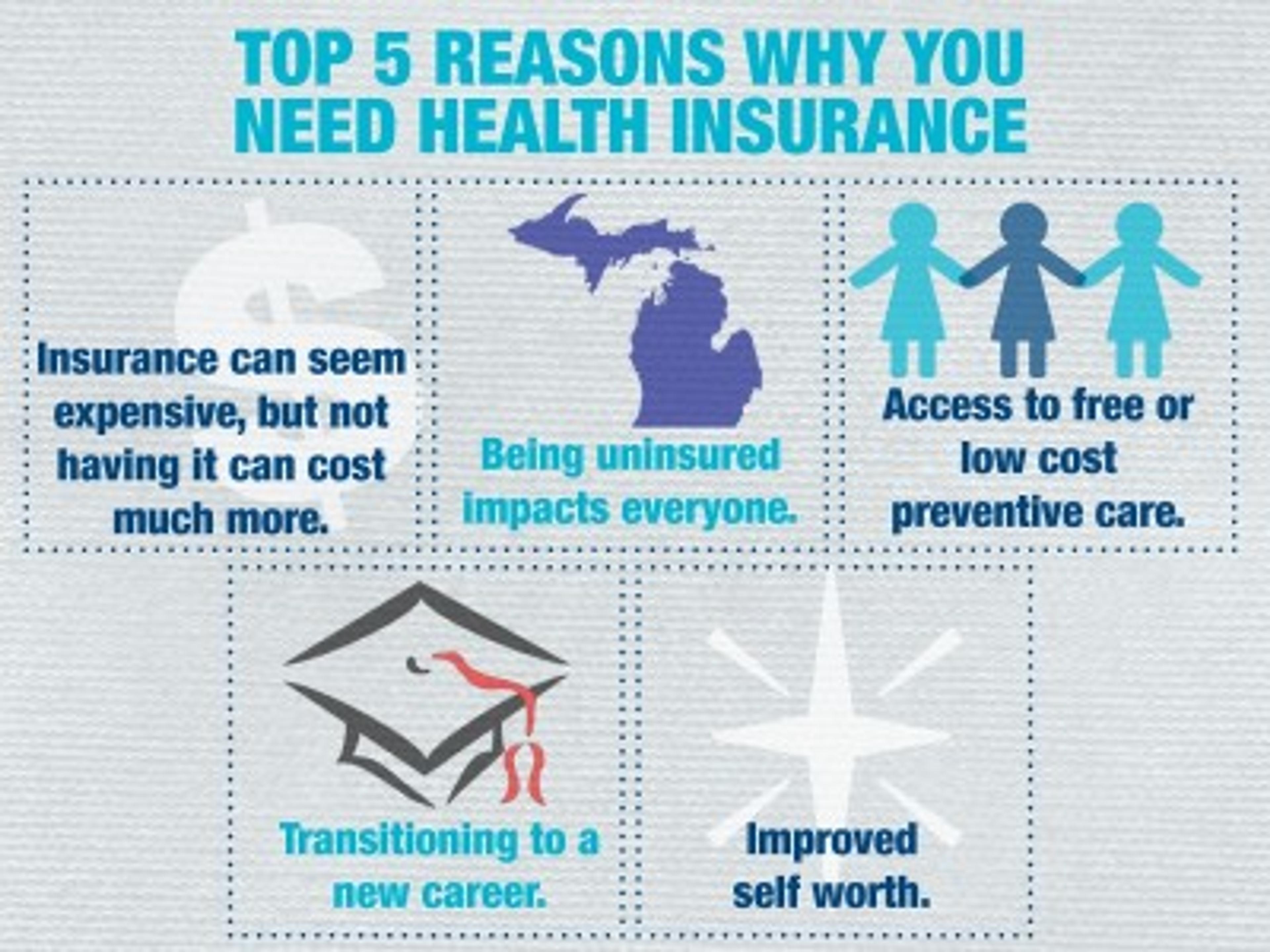
Health insurance is especially important because medical emergencies do not follow personal schedules. I once assisted a freelance professional who believed saving money independently was better than paying for medical coverage. He maintained a personal emergency fund, but after unexpected surgery, the treatment and recovery expenses consumed most of his savings. He told me later that insurance would have reduced both the financial burden and the anxiety he experienced during treatment. From that experience, I always emphasize that insurance is not just financial protection but also emotional security during difficult periods.
Home protection is another area many people underestimate. Property damage can happen due to weather, plumbing failures, or accidental fires. I have seen homeowners who assumed their houses were naturally safe because they lived in relatively quiet neighborhoods. One client learned the hard way that water damage from a broken internal pipe can spread silently behind walls before becoming visible. The repair process was far more expensive than the yearly cost of maintaining proper home coverage.
For business owners, insurance is even more critical because it protects not only physical assets but also operational continuity. When a small business is forced to pause operations due to equipment failure or liability claims, the financial impact can be serious. I advise entrepreneurs to think of insurance as a foundation layer of their business strategy rather than an optional expense.
The biggest mistake I see is treating insurance as something to purchase only after risk becomes visible. Protection works best before uncertainty turns into loss. People often focus on short-term savings while ignoring long-term vulnerability. In my professional opinion, good insurance planning is similar to maintaining safety equipment in a workplace; you hope you never need it, but its presence gives confidence to move forward.
Life always carries uncertainty, whether related to health, travel, property, or income stability. Insurance helps transform unpredictable shocks into manageable events. Over the years, I have seen clients move from skepticism to relief once they experienced how proper coverage protected them during real challenges. That change of perspective is why I believe everyone should at least evaluate basic insurance protection according to their personal and financial situation.